


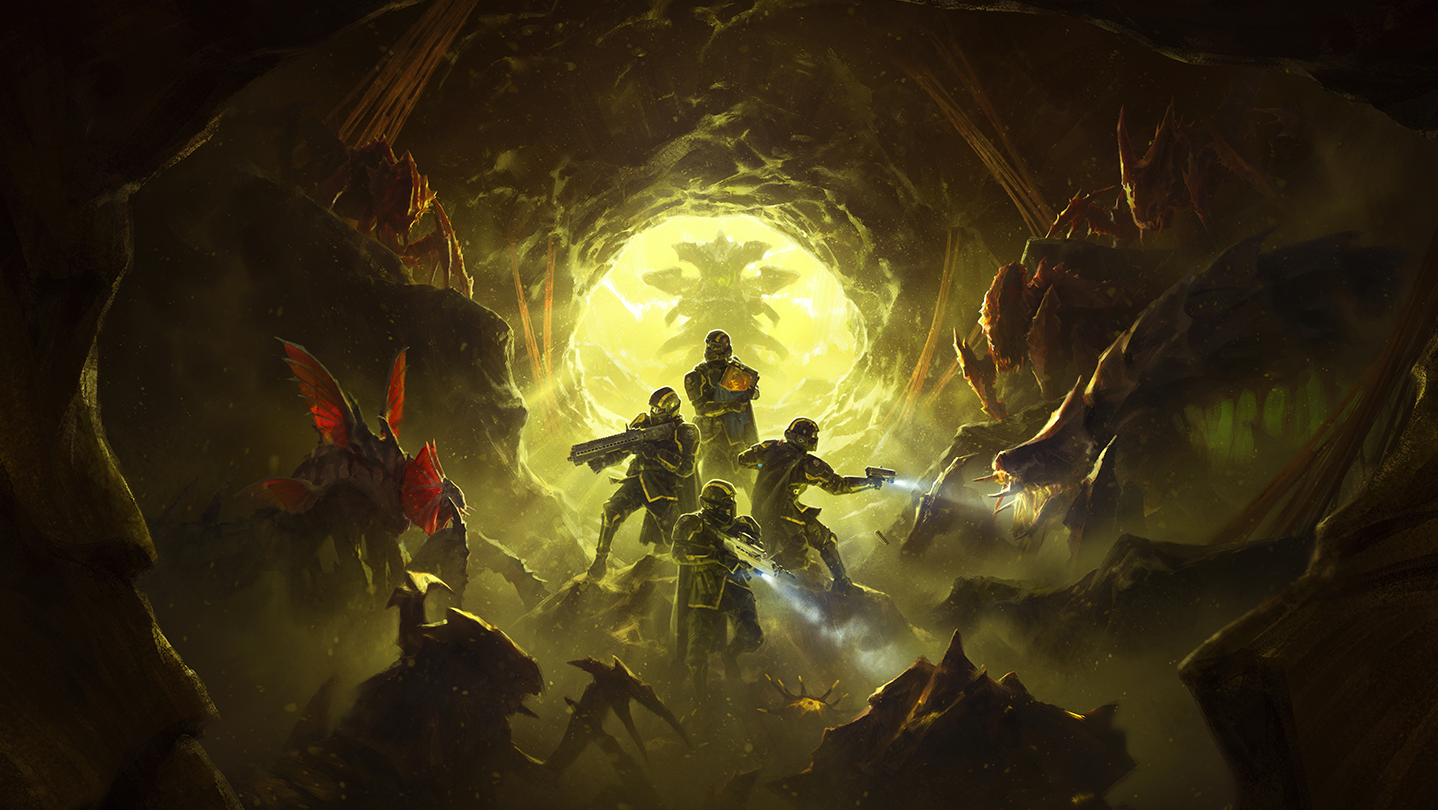


Agen jitutoto menampung pembelian nomor lotre togel secara eceran, namun pemain tetap berkesempatan menang besar dengan hadiah utama senilai 10 juta di JITUTOTO X 777 SLOT.
| Interface | Full Audio | Subtitles | |
|---|---|---|---|
| English | ✔ | ✔ | ✔ |
| French | ✔ | ✔ | ✔ |
| Italian | ✔ | ✔ | ✔ |
| German | ✔ | ✔ | ✔ |
| Spanish - Spain | ✔ | ✔ | ✔ |


Best Ongoing Game Winner - The Game Awards 2024

Best Multi-Player Winner - The Game Awards 2024
Action Game of the Year
Online Game of the Year
Outstanding Achievement in Original Music Composition
Outstanding Achievement in Audio Design
 Game of the Year 2024 (Professional)

Game of the Year 2024
Best Visual Design 2024
Best Technical Innovation 2024

Best Game Design: Helldivers 2 - Arrowhead Game Studios | Sony Interactive Entertainment
 #5 Most Wanted Game by PC Gamer
Julukan jitutoto Bandar Togel -> Prize Terbesar
Keyword :
jitutoto Togel
Hadiah Togel
Togel Online
Togel 10 Juta
Nomor Togel 4D
jitutoto resmi
jitutoto link
jitutoto login
jitutoto alternatif
Menteri Sekretaris Negara, Prasetyo Hadi, menyampaikan bahwa Presiden RI Prabowo Subianto memutuskan untuk melakukan pergantian pimpinan Badan Gizi Nasional (BGN) setelah melalui proses pemantauan dan evaluasi kinerja yang berlangsung secara menyeluruh selama kurang lebih satu setengah tahun terakhir.
Dalam konferensi pers yang digelar di Kompleks Istana Kepresidenan Jakarta pada Selasa (2/6/2026), Prasetyo menjelaskan bahwa keputusan tersebut merupakan bagian dari langkah pemerintah dalam meningkatkan efektivitas pelaksanaan program-program strategis nasional, khususnya yang berkaitan dengan pemenuhan gizi masyarakat dan peningkatan kualitas kesehatan generasi penerus bangsa.
Menurutnya, Presiden secara berkala melakukan peninjauan terhadap berbagai capaian program, tantangan implementasi di lapangan, serta efektivitas kebijakan yang dijalankan oleh BGN. Hasil evaluasi tersebut kemudian menjadi dasar dalam menentukan langkah-langkah perbaikan kelembagaan guna memastikan target pembangunan nasional dapat tercapai secara optimal dan berkelanjutan.
“Selama kurang lebih hampir 1,5 tahun dilakukan monitoring dan evaluasi secara berkelanjutan, Presiden mengambil keputusan untuk melakukan pergantian pimpinan Badan Gizi Nasional sebagai bagian dari proses penyempurnaan tata kelola dan peningkatan kinerja institusi,” ujar Prasetyo.
Pemerintah menegaskan bahwa pergantian pimpinan merupakan hal yang wajar dalam sistem administrasi negara. Langkah tersebut dilakukan untuk memperkuat akselerasi berbagai program prioritas yang berhubungan dengan pembangunan sumber daya manusia, peningkatan kualitas kesehatan, serta penguatan daya saing nasional di masa mendatang.
Di tengah pesatnya perkembangan transformasi digital nasional, pemerintah juga terus mencermati pertumbuhan berbagai sektor ekonomi berbasis teknologi dan layanan daring. Beragam aktivitas digital, mulai dari perdagangan elektronik, layanan hiburan interaktif, siaran langsung (live entertainment), hingga platform permainan berbasis angka seperti toto 4D, live bet, dan slot online, menunjukkan bahwa masyarakat semakin aktif memanfaatkan teknologi dalam kehidupan sehari-hari. Kondisi tersebut menjadi pengingat penting bahwa peningkatan kualitas pendidikan, kesehatan, dan gizi masyarakat harus berjalan seiring dengan perkembangan era digital.
Ke depan, Badan Gizi Nasional diharapkan mampu semakin meningkatkan efektivitas pelaksanaan program-program yang berfokus pada pemenuhan kebutuhan gizi masyarakat, pencegahan stunting, serta penguatan kualitas kesehatan anak dan remaja. Upaya tersebut dinilai penting untuk menciptakan generasi yang sehat, produktif, dan siap menghadapi tantangan ekonomi maupun teknologi yang terus berkembang.
Pergantian kepemimpinan ini sekaligus mencerminkan komitmen pemerintah untuk terus melakukan pembenahan kelembagaan secara profesional, transparan, dan berorientasi pada hasil, sehingga pelayanan publik dapat semakin optimal serta memberikan manfaat nyata bagi seluruh masyarakat Indonesia.
Slot online merupakan salah satu bentuk permainan digital yang banyak ditemukan pada platform hiburan berbasis internet. Permainan ini umumnya menggunakan sistem gulungan virtual dengan berbagai tema, efek visual, serta fitur bonus yang dirancang untuk memberikan pengalaman interaktif kepada pengguna. Dalam praktiknya, hasil permainan ditentukan oleh sistem acak atau Random Number Generator (RNG). Meskipun sering dipromosikan dengan berbagai istilah seperti jackpot atau kemenangan besar, penting untuk memahami bahwa setiap putaran memiliki unsur keberuntungan yang tidak dapat diprediksi secara pasti. Oleh karena itu, pengguna perlu memahami risiko finansial yang dapat muncul sebelum berpartisipasi.
Toto 4D adalah permainan tebak angka yang mengharuskan peserta memilih kombinasi empat digit angka sesuai dengan ketentuan yang berlaku pada suatu pasaran tertentu. Permainan ini dikenal luas di berbagai negara Asia dan biasanya memiliki jadwal pengundian yang telah ditetapkan. Setiap kombinasi angka memiliki peluang yang sama untuk keluar dalam hasil undian. Karena bersifat acak, tidak ada metode yang dapat menjamin keberhasilan dalam memprediksi hasil secara konsisten. Berbagai strategi dan analisis angka yang beredar di masyarakat umumnya bersifat spekulatif dan tidak dapat dijadikan jaminan untuk memperoleh hasil yang diharapkan.
©2023 Sony Interactive Entertainment LLC. Developed by Arrowhead Game Studios AB. Helldivers is a registered trademark of Sony Interactive Entertainment LLC and related companies in the U.S. and other countries.